
3D printing, matched to
your part.
We run three in-house processes — FDM, SLA, and MJF — each with its own materials and strengths. Switch between them below to explore the full material guide, with datasheets.
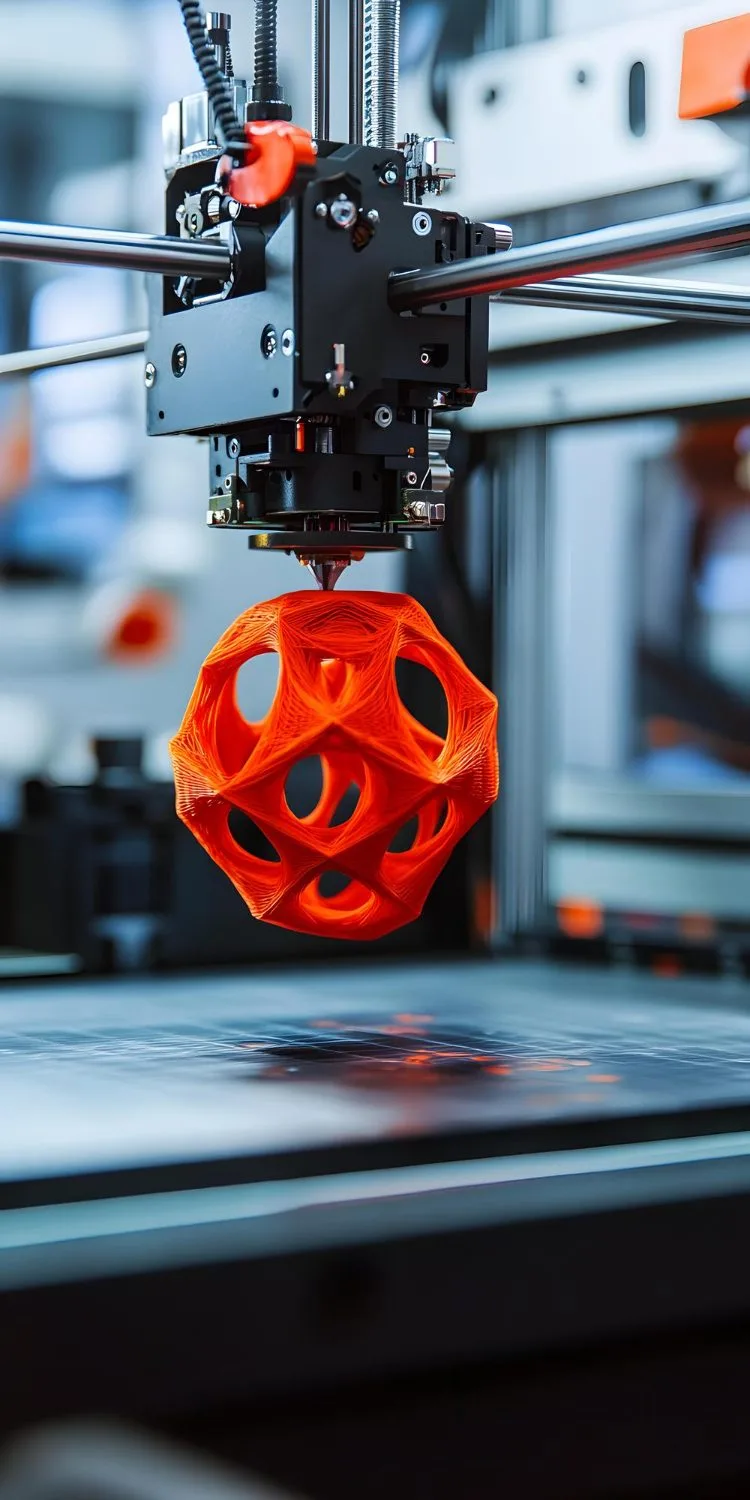
Fused Deposition Modeling (FDM)
Layers of molten thermoplastic fused together to build a part. Cost-effective and versatile, with a wide range of durable materials — ideal for prototypes, jigs, and functional parts up to 600 mm tall.
Material guide
PLA
PlasticPros
Cons
PETG
PlasticPros
Cons
ABS
PlasticPros
Cons
Carbon Fiber PLA
CompositePros
Cons
Nylon (PA)
PlasticPros
Cons
HIPS
SupportPros
Cons
PVA
SupportPros
Cons
Flexible (TPU)
FlexiblePros
Cons
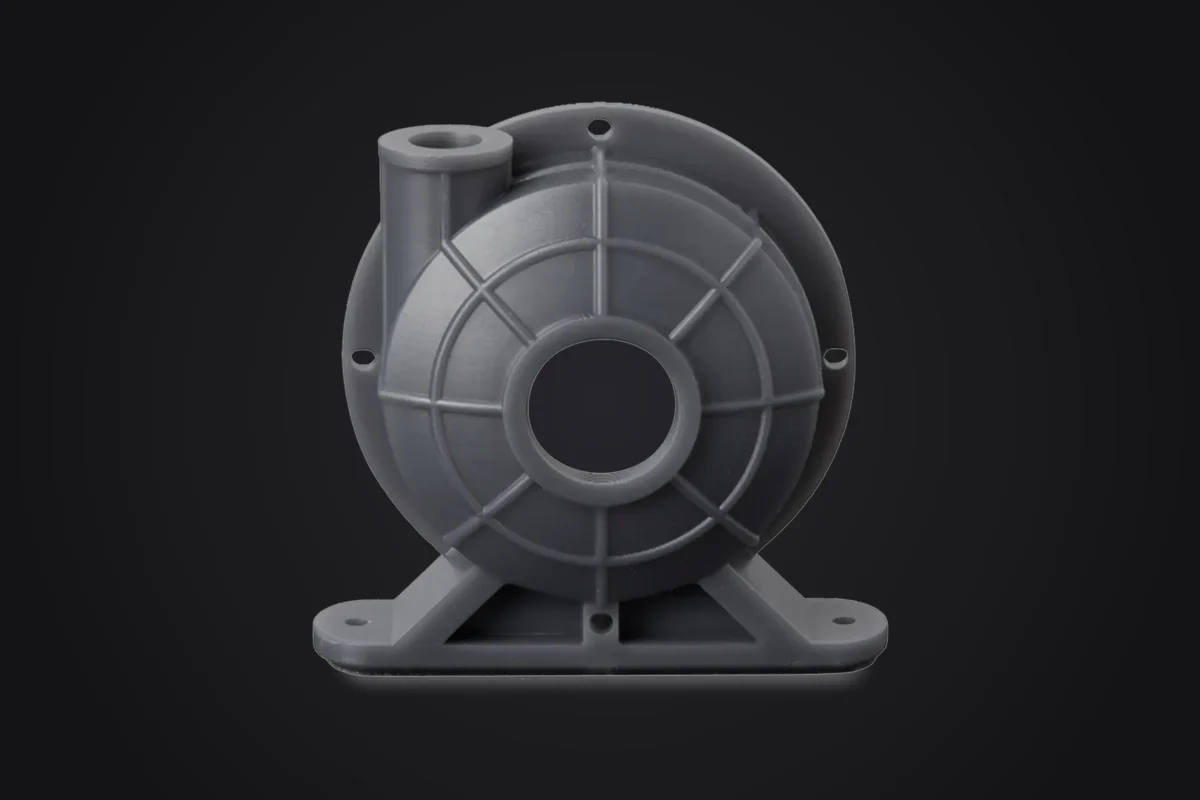
Stereolithography (SLA / DLP)
A laser cures liquid resin layer by layer for crisp features and smooth surfaces with minimal post-processing. Ideal for high-detail models, fit-critical parts, and special resins like clear, flexible, or castable.
Material guide
Standard Resins
ResinKey features
Applications
Clear / Transparent
ResinKey features
Applications
Tough Resins
ResinKey features
Applications
Flexible 50A
ResinKey features
Applications
Flexible 80A
ResinKey features
Applications
Castable Resins
ResinKey features
Applications
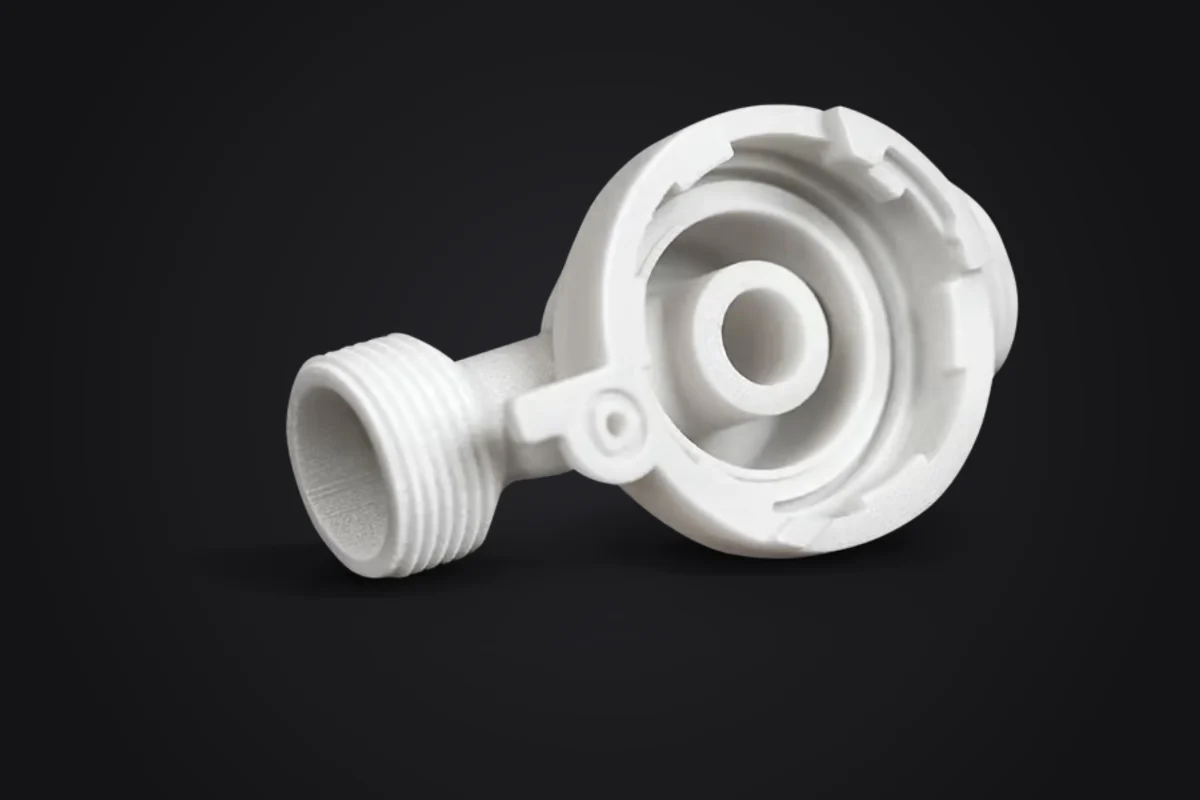
Multi Jet Fusion (MJF)
Powdered nylon fused layer by layer with a fusing agent and infrared heat — no support structures needed. Produces tough, functional, end-use parts with fine feature detail and full design freedom, ideal for low-volume production.
Material guide
Nylon 12 PA
NylonKey features
Applications
Nylon 12 GF
NylonKey features
Applications
Nylon 11
NylonKey features
Applications
Have a part to print?
Send us your file and material preference — we will quote it within 24 hours.