3D printing, matched to
your part.

We run three in-house processes — FDM, SLA, and SLS — each with its own materials and strengths. Switch between them below to explore the full material guide, with datasheets.
Fused Deposition Modeling (FDM)

Fused Deposition Modeling (FDM)

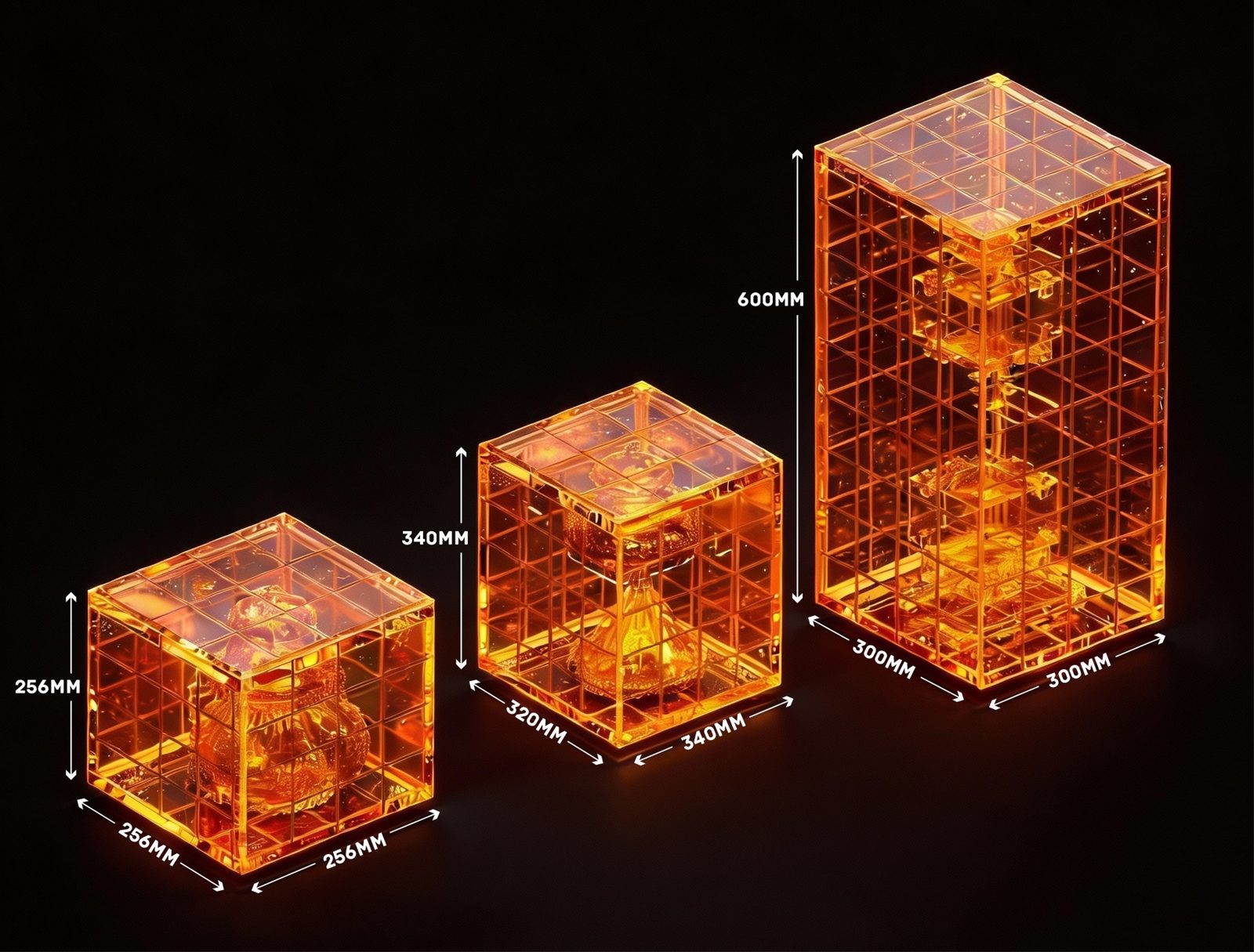
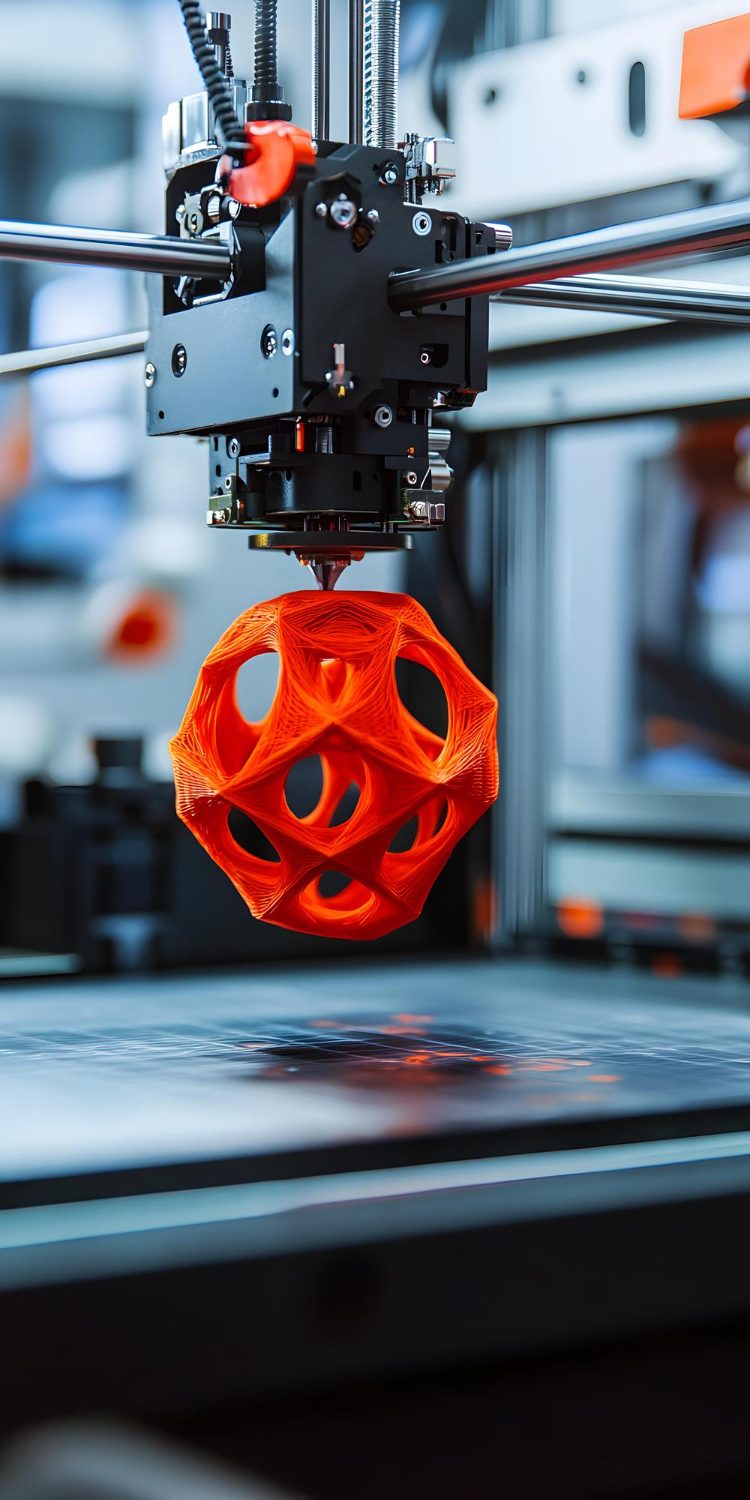
Layers of molten thermoplastic fused together to build a part. Cost-effective and versatile, with a wide range of durable materials — ideal for prototypes, jigs, and functional parts up to 600 mm tall.

Material guide

PLA

Plastic
Best forDetailed models, figures & display parts
The easiest material to print — inexpensive with sharp detail. Great for looks, not for load or heat.
Heat resistance ~57 °C
Pros
Easy to printLow costSharp detailBiodegradable
Cons
Low heat resistanceBrittle under stressNot for outdoor / UV
Datasheet on request

PETG

Plastic
Best forDurable everyday functional parts
Easy to print and tough, with good temperature and chemical resistance — a reliable all-rounder.
Heat resistance ~69 °C
Pros
Tough & durableGood temp resistanceChemical resistantLow warping
Cons
Can stringScratches more easily
Datasheet on request

ABS

Plastic
Best forHeat- & impact-resistant technical parts
A technical material for mechanically stressed parts; heat-resistant and acetone-smoothable. Needs an enclosure.
Heat resistance ~87 °C
Pros
High strength & impactHeat resistantAcetone-smoothable
Cons
Warps — needs enclosureFumes while printing
Datasheet on request

Carbon Fiber PLA

Composite
Best forStiff, lightweight structural parts
Fibre-reinforced filament that's far stiffer and more dimensionally stable, with a premium matte finish.
Stiffness ~3950 MPa
Pros
Very stiff & rigidLightweightDimensionally stableMatte finish
Cons
Abrasive — hardened nozzleMore brittle
Datasheet on request

Nylon (PA)

Plastic
Best forTough, wear-resistant moving parts
A versatile engineering plastic with excellent thermal and mechanical resistance — for durable functional parts.
Heat resistance 180 °C+
Pros
Very tough & durableWear & chemical resistantHigh temp resistance
Cons
Absorbs moisture — dry firstProne to warping
Datasheet on request

HIPS

Support
Best forDissolvable support for ABS
A light material that dissolves in limonene — the ideal soluble support for ABS, and good for large parts.
Support · dissolves in limonene
Pros
Dissolvable (limonene)LightweightGood bed adhesion
Cons
Needs enclosureBest paired with ABS
Datasheet on request

PVA

Support
Best forWater-soluble support for complex parts
A support that simply dissolves in water — perfect for complex overhangs and cavities on PLA/PETG prints.
Support · dissolves in water
Pros
Dissolves in waterNo tooling to removeClean finish
Cons
Absorbs moisture easilyCostly
Datasheet on request

Flexible (TPU)

Flexible
Best forFlexible, shock-absorbing parts
A rubber-like material with excellent flexibility, toughness and chemical resistance — for parts that bend and grip.
Shore 95A · very tough
Pros
Flexible & rubber-likeImpact & abrasion resistantVibration damping
Cons
Prints slowlyHarder to print
Datasheet on request
Stereolithography (SLA / DLP)

Stereolithography (SLA / DLP)

A laser cures liquid resin layer by layer for crisp features and smooth surfaces with minimal post-processing. Ideal for high-detail models, fit-critical parts, and special resins like clear, flexible, or castable.

Material guide

Standard Resins

Resin
Best forHigh-detail concept models
Crisp detail with a smooth, injection-moulded look.
Key features
Fine tolerancesMoulded lookBalanced strengthLow-VOC
Applications
Form & fitPresentation modelsAnatomical modelsJigs & fixtures
Download datasheet

Clear / Transparent

Resin
Best forSee-through prototypes
Optically clear parts with near-invisible layer lines.
Key features
Crystal-clearFine detailBalanced mechanicalsLow-VOC
Applications
Optical partsLightingMolds & mastersFluidics
Datasheet on request

Tough Resins

Resin
Best forSturdy functional prototypes
ABS-like impact resistance for sturdy functional parts.
Key features
RobustHandles loadsPro finishLow brittleness
Applications
Jigs & fixturesPrototypesManufacturing aidsEnclosures
Download datasheet

Flexible 50A

Resin
Best forSoft, silicone-like parts
Soft, silicone-like resin with high elasticity.
Key features
Fast springbackDurableClear optionSilicone feel
Applications
WearablesButtonsCasingsSoft-tissue models
Download datasheet

Flexible 80A

Resin
Best forFirmer flexible parts
A firmer flexible resin that bends and returns to shape.
Key features
ElasticClear optionRepeated stressRealistic feel
Applications
Grips & overmoldsSeals & gasketsCushioningLigament models
Datasheet on request

Castable Resins

Resin
Best forLost-wax casting
20% wax for a clean burnout — perfect for lost-wax casting.
Key features
Clean burnoutNo post-cureSmooth removalHigh green strength
Applications
FiligreeCustom try-onsInvestment castingFine detail
Datasheet on request
Selective Laser Sintering (SLS)

Selective Laser Sintering (SLS)

A laser fuses powdered nylon layer by layer — no support structures needed. Produces tough, functional, end-use parts with full design freedom, ideal for low-volume production.

Material guide

Nylon 12 PA

Nylon
Best forDurable, detailed end-use parts
High-performance nylon with excellent detail and chemical resistance.
Key features
Fine detailChemical resistantLow moistureDurable
Applications
EnclosuresConnectorsSnap-fitsEnd-use parts
Datasheet on request

Nylon 12 GF

Nylon
Best forStiff, heat-resistant parts
Glass-filled nylon with added stiffness and thermal resistance.
Key features
High stiffnessHeat resistantDimensionally stableLightweight
Applications
EnclosuresSporting goodsPrototypesFunctional parts
Datasheet on request

Nylon 11

Nylon
Best forHigh-impact, flexible parts
High-elongation nylon with strong impact resistance.
Key features
High elongationHigh impactLiving hingesHarsh environments
Applications
AerospaceDuctingMotorsportsLiving-hinge prototypes
Datasheet on request

Have a part to print?

Send us your file and material preference — we will quote it within 24 hours.